

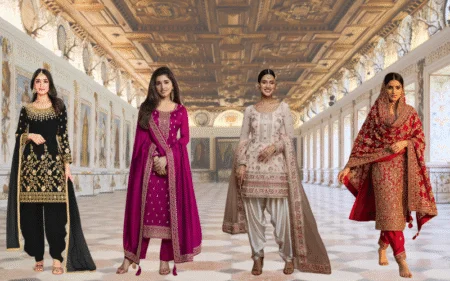
Diwali brings family gatherings, decorations, festive meals, and plenty of opportunities to dress up. At abestoutfit.com, readers can discover useful outfit ideas, styling combinations, and clothing choices for different Diwali celebrations. Some people enjoy wearing traditional clothes from morning until evening, while others prefer changing into something more relaxed after family rituals. Both choices make sense because the day can include several activities and different kinds of gatherings.
Choosing Diwali clothing is not only about selecting a bright colour. The fabric, weather, event timing, footwear, and amount of movement all deserve attention. A heavy outfit may look suitable for a formal family gathering but feel uncomfortable during a long day. A simple kurta or dress can also look festive when styled thoughtfully. The aim should be to enjoy the celebration without spending the entire evening adjusting clothes.
Start With Your Celebration Plans
Diwali celebrations can look different from one household to another. Some families organize a morning puja followed by lunch, while others arrange evening parties with relatives and friends. There may also be office celebrations, community gatherings, and visits to several homes. Each activity can call for a slightly different clothing choice.
A traditional outfit may be suitable for the puja because it creates a familiar festive appearance. A lighter dress or coordinated set can work for visiting friends and relatives. If the same outfit needs to work throughout the day, comfort should receive more attention. Clothing that looks good only while standing still may not be the best option.
Think about the location as well. A home celebration may allow relaxed ethnic clothing, while a formal party could call for something more detailed. Outdoor gatherings may require breathable fabrics and practical footwear. These small details help narrow down the choices before shopping begins.
Traditional Diwali Clothing Ideas
Traditional outfits remain popular because they connect festive dressing with familiar cultural styles. Sarees, salwar suits, lehengas, kurtas, and ethnic dresses can all work for Diwali. The best choice depends on the formality of the event and personal preference. Some people enjoy elaborate embroidery, while others prefer simple fabrics with clean designs.
A saree can create a graceful festive appearance without needing excessive decoration. Silk blends, cotton silk, chiffon, and georgette offer different looks and levels of comfort. The blouse should fit properly and allow easy movement. Trying the complete saree combination before the celebration can prevent last-minute adjustments.
Salwar suits are another practical option for people who prefer traditional clothing with easier movement. Straight suits, anarkali styles, and palazzo sets offer different silhouettes. A decorative dupatta can make a simple outfit look more festive. Choose a length and fabric that feel manageable throughout the event.
Modern Looks For Evening Parties
Not every Diwali gathering requires a traditional outfit. Modern dresses, jumpsuits, co-ord sets, and tailored separates can work well for evening parties. These options are useful for people who prefer contemporary clothing but still want a festive appearance. A little colour or decorative detail can make an everyday silhouette feel suitable.
A long dress in a rich shade can create an elegant party look. A coordinated top and trouser set can offer a cleaner appearance with comfortable movement. People can also wear a simple dress with a traditional jacket or embroidered scarf. Mixing clothing styles allows more freedom when creating an outfit.
The final choice should suit the event rather than follow every fashion trend. A very formal outfit may feel out of place at a relaxed home gathering. Something too casual may not suit a formal dinner. Checking the invitation and understanding the setting can make the decision easier.
Colours That Suit Diwali
Diwali clothing often includes bright and rich colours because they suit the festive atmosphere. Red, orange, yellow, green, pink, maroon, and blue are familiar choices. Gold and silver details can add a decorative touch without requiring an entirely metallic outfit. Neutral shades can also work when paired with colourful accessories.
People who prefer softer clothing can try pastel pink, powder blue, cream, or sage green. These colours can look fresh during daytime celebrations. Deeper shades such as wine, emerald, navy, and plum may suit evening events. The lighting at the venue can also change how a colour appears.
Colour combinations do not need to be complicated. A single bright outfit can work with neutral footwear and simple jewellery. A plain kurta can be paired with a contrasting dupatta. Choosing one main colour and adding one or two supporting shades often creates a balanced appearance.
Fabric Choices For Long Days
Diwali can involve several hours of activities, so fabric choice deserves proper attention. Cotton and cotton blends can feel comfortable during warmer daytime celebrations. Silk and brocade may suit formal events, although heavier materials can become tiring. Lightweight georgette and chiffon can offer a flowing appearance without too much weight.
Fabric texture also affects how an outfit looks in photographs. Satin, silk blends, and fabrics with subtle shine can reflect evening lighting. Matte cotton and linen blends may look more relaxed during daytime gatherings. Customers should consider the occasion before choosing a fabric based only on appearance.
Read the care instructions before purchasing delicate clothing. Some outfits require special cleaning or careful storage. If the garment includes embroidery, beads, or decorative threadwork, avoid rough handling. A comfortable outfit that can be maintained properly is often a better long-term purchase.
Simple Styling With Dupattas
A dupatta can change the appearance of a basic festive outfit. A plain kurta can look more detailed when paired with an embroidered or printed dupatta. Contrasting colours can create visual interest without adding more clothing layers. This is also a useful way to reuse an outfit from another celebration.
Draping style should depend on the activity. A loose shoulder drape can work for photographs and relaxed gatherings. A more secure arrangement may be better when greeting guests or helping with family activities. Pins should be used carefully so that delicate fabric does not become damaged.
A dupatta should not become so heavy that it pulls on the shoulders. Some decorative fabrics look attractive but become uncomfortable after several hours. Lightweight options can provide colour and texture without adding unnecessary weight. The outfit should remain easy to manage during the celebration.
Jewellery For Different Occasions
Jewellery can make a Diwali outfit look more complete, although the right amount depends on the clothing. Traditional outfits may suit jhumkas, bangles, necklaces, and decorative rings. Modern dresses can work with simple earrings or a statement necklace. Wearing every available accessory together is rarely necessary.
The neckline should guide necklace selection. A high neckline may look better with earrings instead of a large necklace. A simpler neckline can provide space for a decorative pendant or statement piece. The jewellery should complement the outfit rather than compete with it.
Comfort is important when wearing jewellery for several hours. Heavy earrings can become tiring, especially during long family gatherings. Bangles should fit properly and should not interfere with normal activities. Check the clasps and fastenings before leaving home to avoid losing valuable pieces.
Comfortable Festive Footwear
Footwear can affect the entire experience of a Diwali celebration. People may move between rooms, visit relatives, stand for rituals, and spend time outdoors. Comfortable sandals, flats, traditional juttis, and block heels can work for different occasions. The correct choice depends on the outfit and venue.
Very high heels may not be practical when the celebration includes outdoor movement. Uneven surfaces and crowded areas can make walking difficult. If someone prefers heels, a stable design may be easier to manage. Wearing familiar footwear can reduce the risk of discomfort.
Footwear colour does not need to match every clothing detail. Neutral shades can work with several festive combinations. Metallic sandals may complement traditional clothing, while simple flats can suit relaxed outfits. Keep the footwear clean and check its condition before the event.
Outfits For Family Photographs
Family photographs are a common part of Diwali celebrations. Clothing that looks coordinated can create a pleasant appearance without requiring identical outfits. Family members can choose different styles within a shared colour palette. This allows everyone to wear something that suits their personal preferences.
For example, one person may wear a cream kurta while another chooses a maroon dress. Similar shades in accessories can connect the overall appearance. Children can wear comfortable festive clothing that follows the same general colour theme. The result can look coordinated without feeling overly planned.
Avoid clothing that requires constant adjustment during photographs. A slipping dupatta or uncomfortable waistband can distract from the moment. Check the complete outfit before the gathering begins. Simple preparation can make photographs easier and more enjoyable.
Office Celebrations And Parties
Office Diwali celebrations often combine professional expectations with festive dressing. Employees may want to wear ethnic clothing without choosing something too elaborate. A kurta, simple saree, ethnic dress, or coordinated set can work well. Workplace guidelines should still be considered before choosing an outfit.
Subtle embroidery and festive colours can make workwear feel more celebratory. A plain outfit can be styled with colourful earrings or a decorative scarf. Comfortable footwear matters because office events may involve standing and moving between departments. Clothing should remain suitable for the entire working day.
Some workplaces organize evening parties after regular office hours. Employees can choose a slightly more detailed outfit for these occasions. A change of accessories may also be enough to refresh the appearance. Planning the clothing early helps avoid unnecessary preparation pressure.
Men’s Diwali Outfit Options
Men can choose from several festive clothing styles depending on the gathering. A classic kurta with trousers is suitable for many family events. Nehru jackets can add structure and colour without making the outfit too heavy. For formal celebrations, a detailed ethnic jacket or sherwani may be appropriate.
Colour selection can help create a festive appearance. Deep blue, maroon, cream, green, and mustard are common choices for traditional clothing. Printed kurtas can work for relaxed celebrations, while solid colours may suit more formal gatherings. The final combination should feel comfortable and properly fitted.
Footwear should coordinate with the outfit and allow easy movement. Mojaris can complement traditional clothing, while simple leather sandals may suit relaxed gatherings. Check the fit before the event because new footwear can cause discomfort. A clean, well-fitted outfit usually looks better than one with unnecessary details.
Children’s Festive Clothing
Children should be able to enjoy Diwali without constantly adjusting their clothing. Soft fabrics and manageable designs are useful for long family celebrations. Traditional dresses, kurta sets, and simple ethnic outfits can all work well. Parents should consider the child’s activity level before choosing heavy decoration.
Clothing should allow children to sit, play, and move comfortably. Long hems can become inconvenient during active play. Tight waistbands and stiff fabrics may also create discomfort. A simple outfit with one decorative element can look festive without restricting movement.
Footwear should be secure and easy to wear. Children may move around quickly during family gatherings, so slippery footwear is not a sensible choice. Accessories should remain lightweight and safe. Comfort should always come before creating a complicated festive appearance.
Shopping Before The Rush
Shopping early gives customers more time to compare styles and check quality. Popular sizes and colours may become harder to find near the festival. Starting with a wardrobe review can prevent duplicate purchases. People may already own suitable clothing that only needs different styling.
Set a budget before visiting stores or browsing online collections. Compare fabric quality, stitching, fitting, and garment care requirements. Online customers should read size charts and return conditions carefully. Product photographs may not show the exact colour or fabric texture.
Local stores allow customers to examine clothing before purchasing. Trying an outfit can reveal problems that photographs cannot show. Check the garment while sitting and walking to understand its comfort. A small alteration may improve the fit considerably.
Reusing Your Festive Wardrobe
A new outfit is not necessary for every Diwali gathering. Clothing from previous celebrations can look fresh when styled differently. A saree can be paired with another blouse, while a kurta can work with different bottoms. Jewellery and footwear can also change the overall appearance.
Separate pieces from coordinated sets to create additional combinations. A decorative jacket can be worn over a simple dress. A festive skirt can be paired with a plain top. These combinations can provide variety without increasing shopping expenses.
Store festive clothing properly after wearing it. Follow the fabric instructions and avoid leaving delicate pieces in damp spaces. Embroidered outfits may need special cleaning before storage. Good care helps maintain clothing quality for future celebrations.
Getting Ready Without Stress
The easiest way to avoid last-minute problems is preparing the outfit early. Check buttons, hooks, zippers, seams, and fitting before the celebration day. Keep accessories, footwear, and the chosen bag together. This prevents unnecessary searching when family members are also getting ready.
Makeup and hairstyles should be comfortable for the event duration. Familiar products are often a safer choice than trying something completely new. A simple hairstyle can work well with traditional and modern outfits. Keep a few basic touch-up items available when the gathering continues late.
Check the weather and travel plans before finalizing the clothing. Outdoor visits may require comfortable footwear and a light extra layer. Long journeys can make heavy outfits inconvenient. A little preparation makes the celebration more enjoyable.
Conclusion
Diwali outfits can be traditional, modern, simple, or detailed depending on personal preference. Sarees, kurtas, dresses, ethnic sets, and coordinated clothing all offer useful choices. The best outfit combines suitable fabric, comfortable fitting, and styling that matches the celebration. Accessories can add festive detail without making clothing difficult to manage.
Planning early also helps avoid rushed shopping and unnecessary spending. Reusing existing clothing with different jewellery or styling can create fresh combinations. Choose something that feels comfortable throughout the celebration and suits the occasion. Explore more festive fashion inspiration and practical outfit ideas before preparing for your next special gathering.
Read also :-
