

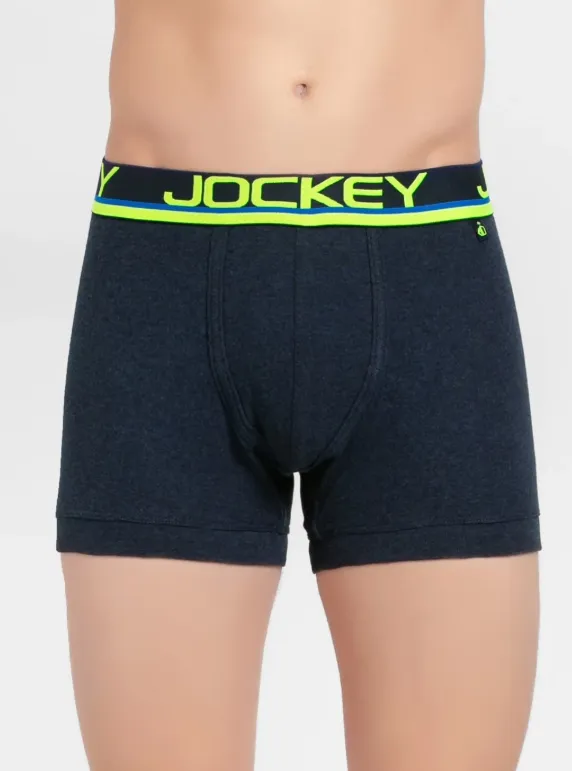
Innerwear affects comfort throughout the day, yet it is often chosen quickly without much thought. A better approach is to consider fit, fabric, coverage, climate, and the type of clothing worn over it. These details can improve comfort during work, travel, exercise, and time at home.
A practical innerwear collection does not need to be large. It needs enough variety for different situations. Trunks, briefs, boxer briefs, and vests each serve a slightly different purpose, so understanding their role makes shopping easier and helps avoid pieces that stay unused in the drawer.
Start With the Right Underwear Shape
The first decision is usually the cut. Briefs provide minimal leg coverage and work well under slim trousers. Boxer briefs extend farther down the thigh and may suit men who prefer more coverage. Trunks sit between the two, with a shorter leg and a close-fitting shape that works well for everyday wear.
A style such as the jockey pop colour trunk can be considered by men who like a fitted silhouette with a shorter leg length. When comparing trunks, look at the waistband, front support, stretch, and how the leg opening sits against the body. A good fit should feel secure without digging into the skin or restricting movement.
The best choice can also depend on outer clothing. A compact trunk may work well under jeans or office trousers, while longer boxer briefs can be useful when extra thigh coverage is preferred.
Check Fabric Before Buying
Fabric strongly influences how innerwear feels after several hours. Cotton is widely chosen for everyday use because it is soft and breathable. Blended materials can add stretch and help a garment retain its shape after repeated washing.
In warmer weather, lightweight fabrics are usually easier to wear for long periods. Men who travel frequently or spend much of the day outdoors may also prefer fabrics that handle perspiration effectively. The goal is to choose material that feels comfortable against the skin and suits the conditions in which it will be worn.
It is useful to check washing instructions too. Innerwear that requires complicated care may be less practical for daily rotation.
Choose Vests According to Fit and Clothing
Vests are useful base layers under shirts, kurtas, uniforms, and casual clothing. They can add a light layer between the skin and outer garment and may also make certain shirts feel more comfortable during extended wear.
Sizing is important because an oversized vest can bunch under clothing, while one that is too tight may pull around the shoulders or chest. Checking a jockey vest size chart before ordering can help compare body measurements with the recommended size rather than relying only on an old size label.
Length also deserves attention. A vest should generally be long enough to remain comfortably tucked when required, but not so long that extra fabric gathers around the waist.
Build a Useful Weekly Rotation
Buying many identical pieces is not always necessary. A better strategy is to build a weekly rotation based on daily habits. Someone who works in formal clothing may need several breathable vests and neat-fitting trunks, while a person with an active lifestyle may want additional pairs for workouts or travel.
Keeping enough innerwear for regular washing also prevents excessive wear on a small number of garments. Rotating different pairs gives elastic waistbands and fabrics more time between uses.
Neutral colours are practical for everyday clothing, while brighter shades can add variety. The most important factors remain comfort and dependable fit.
Replace Worn Pieces at the Right Time
Even good-quality innerwear does not last forever. Stretched waistbands, loose leg openings, thinning fabric, and loss of shape are signs that a garment may need replacing.
Continuing to wear badly stretched pieces can reduce support and make outer clothing sit less neatly. Reviewing the drawer every few months makes it easier to remove worn items and identify which styles are actually used most often.
This also helps prevent unnecessary purchases. Replacing proven favourites is often more useful than buying several unfamiliar styles at once.
Conclusion
A comfortable innerwear wardrobe begins with understanding fit rather than simply choosing by appearance. The right cut, breathable fabric, correct vest size, and sensible weekly rotation can make everyday dressing more comfortable and practical.
By paying attention to measurements, garment construction, care instructions, and signs of wear, men can build a small but reliable collection that works across office days, travel, casual routines, and different seasons. For a wider selection of everyday innerwear options, siomestore.com offers products across different styles, fits, and categories.
