

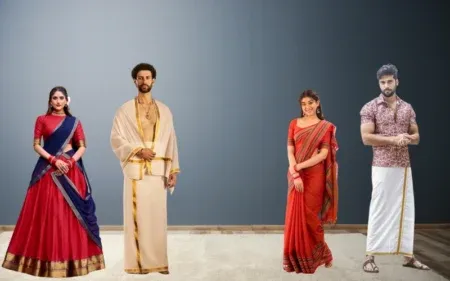
Winter celebrations create a different kind of clothing challenge because looking festive and staying warm both matter. At abestoutfit.com, readers can explore outfit combinations, layering ideas, and practical clothing choices for colder festive days. Heavy traditional clothing may provide some warmth, but it is not always comfortable for every event. The better approach is choosing suitable fabrics and adding layers that work with the outfit instead of hiding it completely.
Winter festivals often include outdoor gatherings, evening parties, family visits, and long journeys. Temperatures can change between daytime and night, especially in places where evenings become noticeably colder. A lightweight outfit that feels comfortable at noon may not provide enough warmth later. Planning the clothing around the full event helps avoid this problem.
Festive winter dressing does not require wearing several bulky layers. A warm inner layer, suitable main outfit, and carefully selected outerwear can work together. Colours, textures, and accessories can still create a celebratory appearance. The important part is making sure every layer has a practical purpose.
Start With The Weather
Before choosing a winter festive outfit, check the expected temperature and event timing. A daytime gathering may require lighter layers than an outdoor evening celebration. Indoor venues can also feel warmer because of heating and crowded spaces. Clothing should be flexible enough to handle these changes.
Cold weather does not affect every region in the same way. Some places experience mild winters, while others have very cold evenings. People should choose clothing according to local conditions rather than copying outfits designed for another climate. A thick coat may be unnecessary in one location but useful in another.
Travel time also matters when preparing an outfit. Someone attending a celebration after a long journey may need comfortable layers during transport. A removable jacket or shawl can make the outfit easier to manage. Keeping the temperature and location in mind makes clothing decisions more practical.
Choosing Warm Festive Fabrics
Fabric choice is one of the most important parts of winter dressing. Wool blends, velvet, thicker cotton, silk blends, and lined fabrics can provide different levels of warmth. Some materials also create a richer appearance that suits festive occasions. Customers should check the actual fabric composition rather than relying only on product photographs.
Velvet is often selected for winter celebrations because it has a soft texture and a noticeable appearance. It can work in jackets, dresses, blouses, and traditional outfits. However, heavier velvet may feel too warm in indoor venues. Choosing a lighter design can provide the desired look without unnecessary discomfort.
Wool blends can work well for shawls, jackets, and outer layers. Silk blends may suit formal festive clothing, especially when combined with a suitable warm layer. Customers should consider whether the fabric needs special cleaning. Delicate festive garments should be maintained according to their care instructions.
Layering Without Extra Bulk
Layering is useful when temperatures change during a celebration. A thin inner layer can provide warmth without making the outfit look bulky. The main outfit can remain visible while an outer layer adds protection against cold air. Each layer should fit comfortably with the clothing underneath.
A fitted thermal layer may work beneath a kurta, dress, or traditional blouse. It should not create visible folds or restrict movement. Customers should try the complete combination before wearing it outside. This helps identify whether sleeves, waistbands, or necklines become uncomfortable.
Layering should not mean wearing every available warm item together. Too many thick layers can make movement difficult and change the shape of the outfit. One useful inner layer and a suitable outer garment may be enough. The goal is warmth without losing comfort.
Festive Shawls And Wraps
A shawl can be one of the easiest ways to add warmth to festive clothing. It works with sarees, suits, kurtas, dresses, and several modern combinations. Wool, pashmina-style blends, and other warm fabrics offer different textures. The choice should match the weather and the formality of the event.
A contrasting shawl can make a simple outfit look more detailed. Deep shades such as maroon, navy, emerald, and wine can complement many festive colours. Neutral shades may be easier to reuse with several outfits. Decorative borders or subtle embroidery can provide a festive finish.
The way a shawl is worn also affects comfort. A secure drape can be useful when walking or greeting guests. A loose arrangement may work for photographs and quieter gatherings. Avoid carrying a shawl that constantly slips or needs repeated adjustment.
Jackets With Ethnic Clothing
Jackets can provide warmth while adding structure to traditional clothing. A Nehru jacket over a kurta is a familiar combination for men. Women can try ethnic jackets over dresses, kurtas, or simple tops. The design should complement the main outfit instead of covering every detail.
Short jackets can work well with long dresses and skirts. Longer jackets may suit straight trousers or simple ethnic sets. Customers should check sleeve length and shoulder fitting before buying. An uncomfortable jacket can restrict movement even when the clothing underneath fits properly.
Colour selection can create a balanced appearance. A neutral jacket can work with bright clothing, while a contrasting shade can add more interest. Embroidered jackets may suit formal celebrations. Plain designs can be more practical when the outfit already contains decorative details.
Winter Saree Styling Ideas
Sarees can remain a useful festive choice during winter when paired with suitable layers. A long-sleeved blouse can provide more coverage than a sleeveless design. A warm shawl or jacket can be added when temperatures fall. The fabric should feel comfortable and manageable throughout the event.
Blouse fitting matters because an extra layer may be worn underneath. A very tight blouse can become uncomfortable when combined with thermal clothing. Trying the complete outfit before the celebration helps identify the right fit. Customers should also check whether the saree pleats remain secure while walking.
A heavier saree can suit a formal evening event, although its weight should be considered. Lightweight silk blends may offer a balance between appearance and comfort. Footwear should allow easy movement because long sarees can make walking more difficult. Proper draping helps prevent the fabric from dragging.
Kurtas For Colder Days
Kurtas are practical for many winter festive occasions because they can be styled with different layers. Full-sleeved designs provide more coverage than short-sleeved options. Thicker cotton, wool blends, and suitable lined fabrics may work well. The garment should still allow comfortable movement.
A kurta can be paired with straight trousers, churidars, palazzos, or other suitable bottoms. A warm jacket can complete the outfit for outdoor celebrations. Men can choose a Nehru jacket, while women may prefer a longer ethnic layer. The combination should feel balanced rather than overly heavy.
Colours can make a simple kurta look festive. Deep green, burgundy, mustard, navy, and rust can work well during winter celebrations. Printed designs may suit relaxed gatherings, while subtle embroidery can work for formal events. A plain kurta can also look attractive with suitable accessories.
Dresses For Winter Parties
Winter dresses can work well when their fabric and length suit the temperature. Long-sleeved dresses, knitted styles, and lined designs offer different levels of coverage. Some people prefer wearing a dress with tights or a suitable inner layer. The final combination should feel comfortable while sitting and walking.
A dress with a simple shape can be styled using a warm jacket or shawl. Boots may suit some winter party outfits, depending on the venue. Closed footwear can also help during outdoor gatherings. Customers should avoid choosing shoes only because they match the dress.
Evening parties may allow richer colours and slightly heavier textures. Deep blue, wine, black, emerald, and plum can create a winter-friendly appearance. Metallic details can add festive interest without requiring heavy jewellery. The dress should suit the event rather than simply follow seasonal trends.
Men’s Winter Festive Clothing
Men can create winter festive outfits through layered kurtas, jackets, sweaters, and suitable trousers. A simple kurta with a structured jacket can work for family gatherings. A heavier ethnic jacket may suit a formal evening function. The fit should allow movement around the shoulders and arms.
A sweater over a collared shirt can create a relaxed festive appearance. It may work for casual family visits or small gatherings. Traditional footwear can make the combination look more suitable for celebrations. Colours should complement each other without creating unnecessary contrast.
For colder outdoor events, a coat can be added over the main outfit. The coat should fit comfortably over the layers underneath. Men should check whether the sleeves become too tight after adding a sweater. Choosing the correct size makes the complete outfit easier to wear.
Footwear For Cold Weather
Footwear should provide comfort and suitable protection from cold surfaces. Closed shoes, boots, traditional juttis, and supportive flats can work for different festive outfits. The venue should guide the final choice because indoor and outdoor celebrations have different requirements. Shoes should fit properly without causing pressure.
New footwear should always be tested before an important celebration. Cold weather can make stiff materials feel even less comfortable. Walking around at home helps identify rubbing and fitting problems. People attending long events may prefer shoes they already know.
Footwear colour should coordinate with the outfit without requiring an exact match. Brown, black, beige, and metallic shades can work with several festive combinations. Boots may suit modern dresses, while traditional shoes can complement ethnic clothing. Practicality should remain part of the decision.
Accessories For Winter Outfits
Winter accessories can add warmth and improve the overall appearance. Scarves, shawls, gloves, and suitable headwear may be useful during outdoor celebrations. The materials should feel comfortable and should not interfere with movement. Decorative accessories can also make simple clothing look more festive.
Jewellery should be selected according to the neckline and fabric. A heavy necklace may not work comfortably with a thick scarf. Earrings or bracelets can provide detail without creating too many layers around the neck. People should choose accessories that remain manageable throughout the event.
Bags should be large enough for essential items without becoming inconvenient. A small shoulder bag or compact handbag can work for most gatherings. Outdoor events may require space for tissues and other useful belongings. Secure closures help protect personal items in crowded places.
Children’s Winter Celebration Clothes
Children need winter festive clothing that provides warmth without restricting movement. Soft sweaters, lined dresses, kurta sets, and comfortable trousers can work well. Parents should consider how long the child will remain outdoors. A removable layer can help when the temperature changes.
Clothing should allow children to sit, play, and move normally. Heavy decorations and stiff fabrics may become uncomfortable. Warm socks and suitable footwear can provide additional comfort. Parents should check whether sleeves and waistbands fit properly over inner layers.
Accessories should be simple and safe for younger children. Scarves should not be too long or difficult to manage. Gloves and caps can be useful during colder outdoor activities. The complete outfit should remain practical rather than being chosen only for photographs.
Shopping For Winter Festivals
Winter festive shopping becomes easier when customers decide what they actually need. Check existing jackets, shawls, sweaters, and traditional clothing before purchasing more items. A single warm layer may refresh several outfits. This approach can reduce unnecessary spending and wardrobe clutter.
When shopping online, read the fabric description carefully. Product photographs may make a thin garment appear heavier than it actually is. Check customer reviews, size charts, and return conditions before ordering. Customers should also check whether the garment requires special care.
Local stores allow shoppers to examine thickness, softness, and fitting. Trying an outfit with the intended inner layer can provide a better idea of comfort. Compare similar items before choosing the final design. Quality stitching and practical construction can matter more than decorative details.
Preparing For Outdoor Events
Outdoor winter celebrations need a little extra preparation. Check the evening temperature and expected weather before choosing the final outfit. Carrying a removable jacket or shawl can provide flexibility. Comfortable footwear is also important when the event includes walking or standing.
Keep essential clothing items together before leaving home. Check buttons, hooks, zippers, and seams while there is still time for small repairs. Carry a compact bag with basic personal items. Preparation helps avoid unnecessary stress during busy celebrations.
People attending long events should think about warmth during travel as well. A vehicle may feel warm, but outdoor waiting areas can be much colder. A removable outer layer makes the transition easier. Dressing for the complete journey is more useful than dressing only for photographs.
Conclusion
Winter festive outfits can look attractive while providing suitable warmth and comfort. Sarees, kurtas, dresses, ethnic jackets, shawls, and layered combinations offer plenty of choices. The right outfit depends on local weather, event timing, personal style, and planned activities. Suitable fabrics and thoughtful layering can make a major difference.
There is no need to hide an entire outfit under bulky winter clothing. Choose a few useful layers that complement the main clothing and allow comfortable movement. Check fitting and footwear before attending longer celebrations. Explore more seasonal outfit inspiration and practical festive styling ideas before planning your next winter gathering.
Read also :-
