

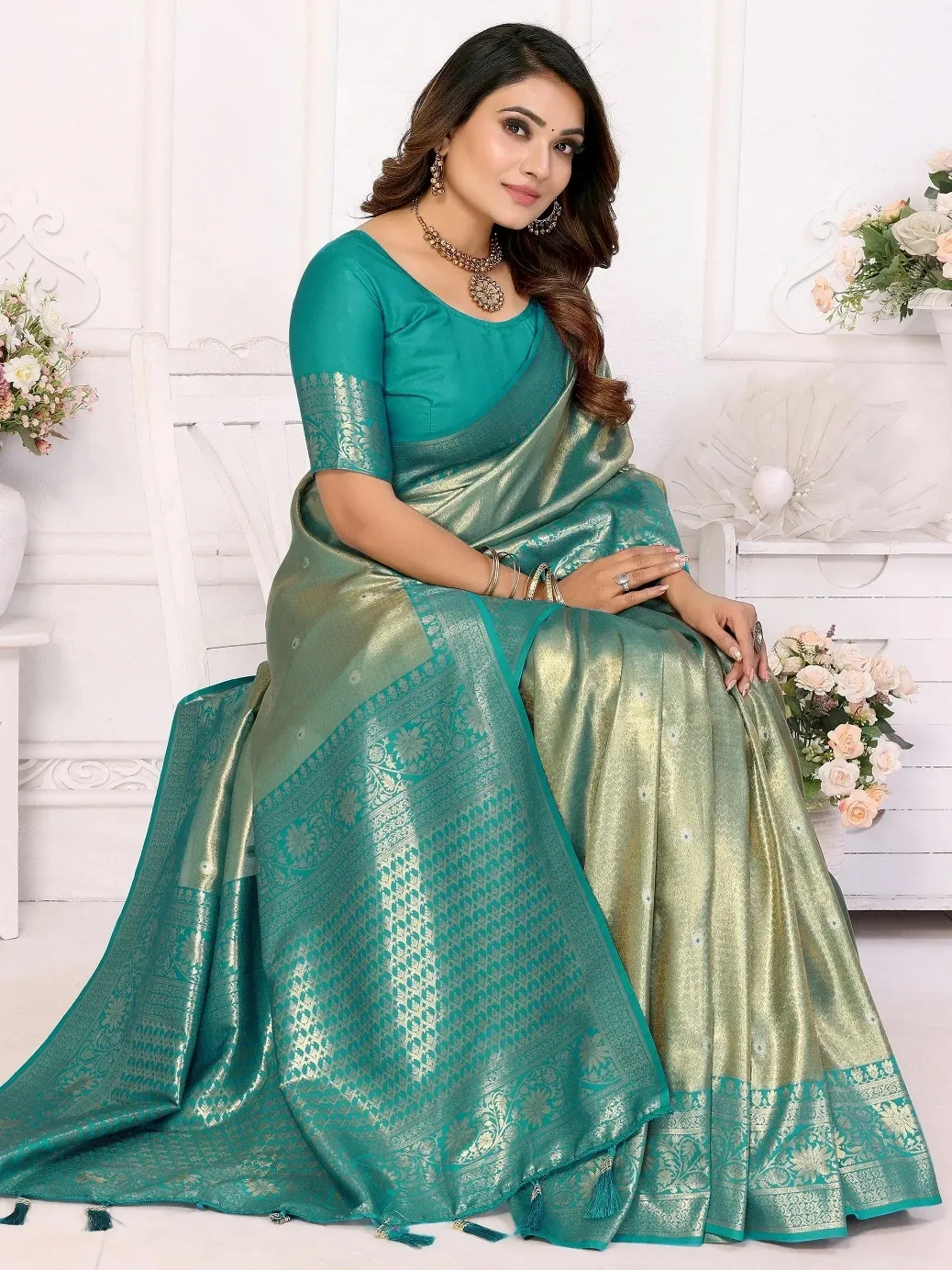
A genuine woven heirloom drape is a long-term treasure, and paying full price makes sense only when the piece is authentic. Unfortunately, imitation fabrics and machine copies often appear online with convincing photographs and flattering descriptions. Knowing what to examine helps you separate real craftsmanship from clever marketing. A true banarasi saree carries signs in its weave, weight, borders and finishing that careful buyers can learn to notice. This article explains those signs and the questions to ask, so your purchase deserves the price and lasts for generations.
Understanding What Makes the Weave Genuine
Authentic pieces are woven on looms, with patterns formed by interlacing metallic and silk threads rather than printed or glued on. The motifs, usually floral, leaf or paisley designs, appear on both sides, with tiny floating threads on the back. Machine imitations often look too uniform and flat. Learn the common patterns and ask which technique was used. Sellers who know their craft describe the weave confidently, mention the loom type and explain how long the piece took to complete. Familiarity with these details protects you from convincing imitations.
Checking the Fabric Quality and Feel
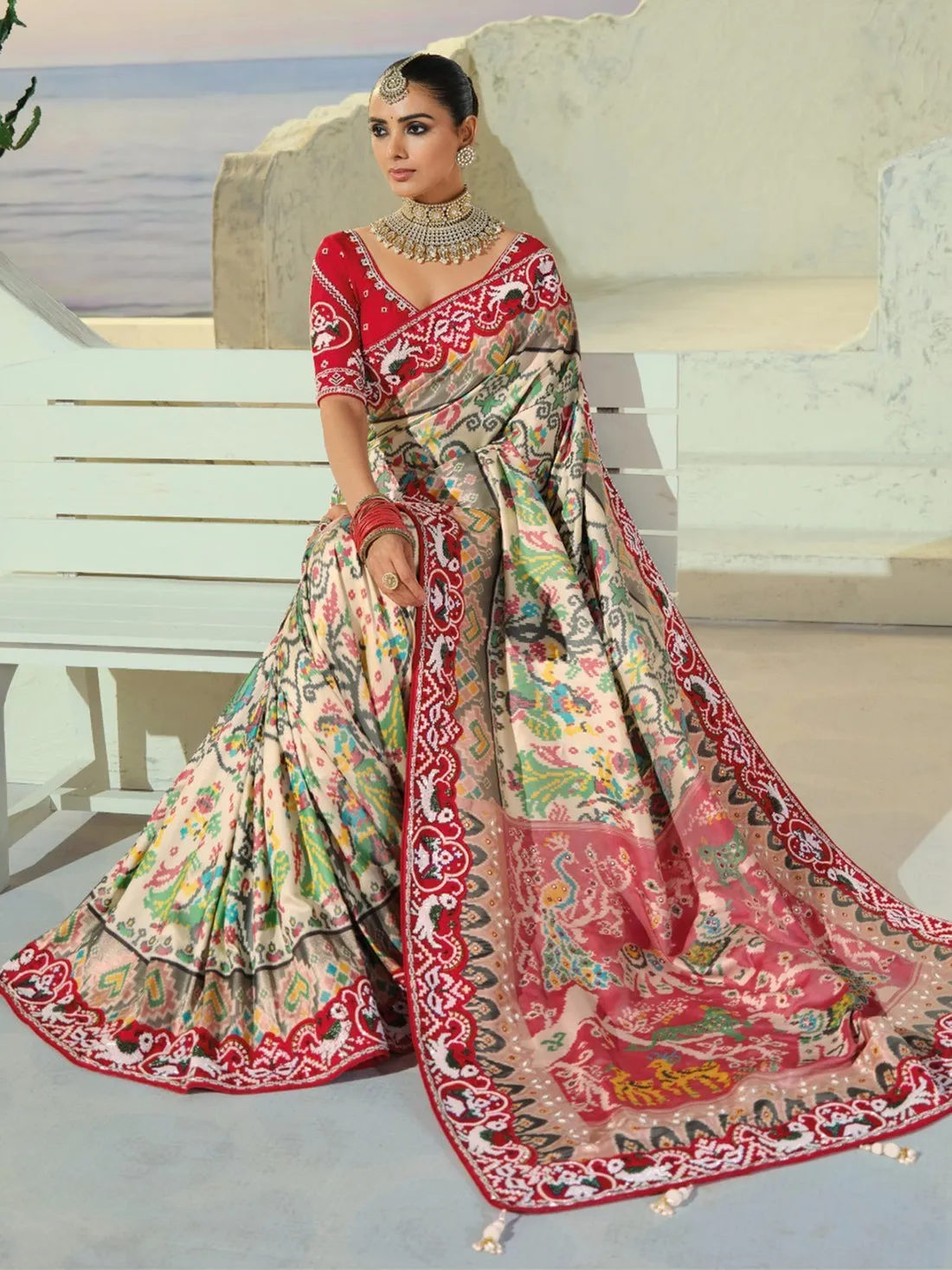
A real Silk Saree feels smooth, soft and slightly cool against the skin, with a natural sheen that changes under light. Synthetic fabrics often feel slippery, overly shiny or stiff. Look for details about the thread content, such as pure silk or blended fibres. Ask about the weight, since authentic heavy weaves feel substantial. Request close up photographs of the fabric and borders. If the price is far below market rates, treat it with suspicion, because genuine silk and zari carry real material cost. Trust your hands and eyes.
Examining the Zari and Border Work
Zari gives these drapes their rich glitter, and its quality is important. Real zari uses silver or gold coated thread and has a warm, deep shine, while imitation zari looks harsh, bright and may tarnish quickly. Examine the border closely for even stitching and clean edges. The pallu should show detailed, dense patterns. Ask the seller whether the zari is pure, tested or imitation. Honest sellers state this clearly and price accordingly, so they should never be defensive when asked. Ask for macro photographs so you can judge quality yourself.
Looking for Certification and Origin Marks
Many authentic weaves carry a geographical indication tag or a handloom mark that confirms origin and method. These labels are issued under official programmes, and sellers should be able to show them. Ask for a clear image of the tag and verify the details. Certification does not replace careful inspection, but it adds a layer of assurance. Also check whether the seller provides a purchase invoice and a written statement of fabric content, which helps if you ever need to resolve a dispute. Genuine sellers keep such proof ready.
Evaluating the Seller Before Paying
The seller matters as much as the product. Look for businesses with long histories, detailed descriptions and consistent customer feedback. Read reviews for comments on authenticity, colour accuracy and packaging. Ask direct questions about fabric and weaving, and notice how quickly and clearly they respond. Check return policies carefully, since expensive purchases need strong protection. Avoid sellers who refuse video calls or additional photographs. A transparent seller who welcomes questions is far more likely to deliver the genuine article. Take your time, because a rushed decision costs more later.
Verifying the Piece After Delivery
Once the parcel arrives, inspect it immediately. Compare the colour, weight and weave with the listing. Look at the reverse side for the characteristic floating threads. Smell the fabric lightly, since strong chemical odours may suggest synthetic treatment. If you have doubts, consult a trusted weaver or an experienced relative. Report any mismatch within the return period and keep the packaging intact. Prompt verification protects your investment and ensures that a true heirloom, not an imitation, finds its place in your wardrobe. Never delay this check after unpacking.
Conclusion
Spotting a genuine woven heirloom is a skill that develops with patience. Study the weave, feel the fabric, examine the zari, look for origin marks, assess the seller and verify the piece after delivery. No single test is perfect, but together they greatly reduce risk. Pay full price only when evidence supports it, and keep your documents safe. A truly authentic drape deserves respect, careful storage and pride in wearing, and with the right knowledge you can enjoy owning something that carries tradition and beauty for generations.
