

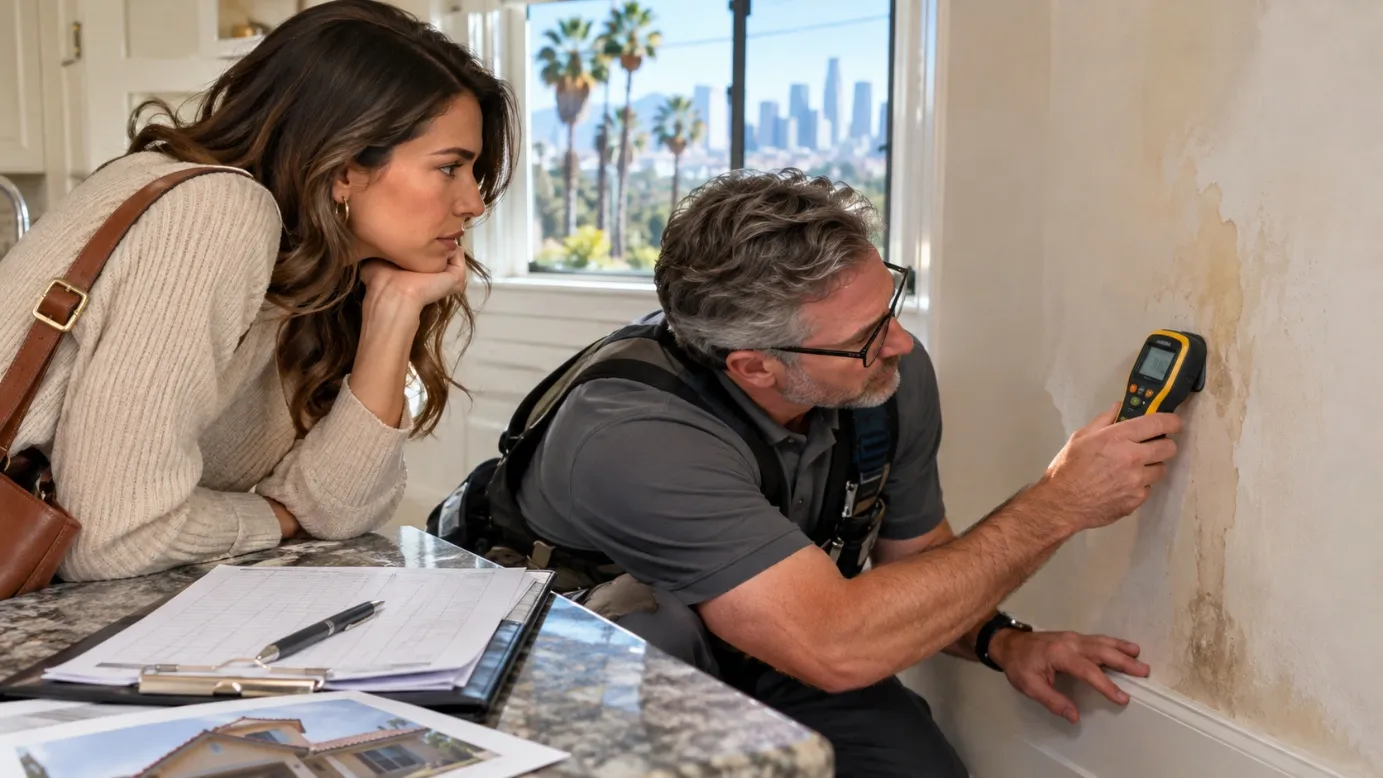
A property can look move-in ready while its history tells a different story. In Los Angeles, buyers sometimes discover evidence of earlier water damage only after reviewing inspection findings or speaking with neighbors. Understanding what a seller knew, what was disclosed, and what the purchase agreement permits can shape the next decision. Consulting real estate lawyers in los angeles before removing contingencies may help buyers evaluate contractual protections. A careful investigation is valuable when suspicious repairs or unexplained moisture suggest the possibility of concealed defects.
Recognize Signs Behind Cosmetic Repairs
Fresh paint, new flooring, and recently replaced drywall are not necessarily warning signs, but they deserve context when other clues suggest moisture damage. Buyers can look for bubbling finishes, swollen baseboards, stains around windows, and unusually strong deodorizing products. Asking when renovations occurred and why they were needed may reveal whether changes addressed ordinary wear or a recurring leak. A general home inspection is useful, although concealed moisture may require specialist assessment. Observations should guide questions, not become unsupported accusations about the seller.
Examine California Property Disclosure Requirements
California requires disclosures in many residential property sales, including a statutory transfer disclosure statement for covered transactions. Sellers may also have duties concerning known material facts that affect a property’s value or desirability. These requirements are not identical for every type of transfer, so buyers should confirm which rules apply. A disclosure form is not a guarantee that no hidden defects exist. Comparing the seller’s answers with repair records, inspection observations, and other available documents can help identify inconsistencies worth investigating before closing.
Investigate Previous Water Damage Repairs
Evidence of previous water intrusion should lead to questions about the source, duration, and corrective work performed. A plumbing receipt might establish that a pipe was replaced without showing whether saturated materials were dried or removed. Buyers can request available contractor reports, photographs, warranties, and follow-up inspection findings. When records are incomplete, an independent moisture investigation may be worthwhile. The goal is not to demand a perfect repair history, but to understand whether a known problem was resolved and whether additional expenses are reasonably foreseeable.
Understand Potential Mold Damage Claims
Mold concerns require separating physical findings from assumptions about health or legal liability. Dark discoloration alone cannot identify a mold species or establish that anyone has experienced a particular medical injury. If contamination appears connected to concealed moisture, professional inspection can clarify the building conditions and likely remediation needs. A mold property damage attorney may help assess a resulting dispute where damage or misleading disclosures are alleged. Potential claims still depend on evidence of responsibility, causation, losses, and the relevant legal requirements.
Protect Contractual Rights Before Closing
A buyer who discovers a concerning condition before closing may have choices under the purchase contract, but timing matters. Inspection and investigation contingencies can provide opportunities to seek further assessments, negotiate repairs, request a price adjustment, or withdraw when contract terms allow. Once contingencies are removed, options may narrow and financial exposure may increase. Buyers should communicate findings in writing and understand contractual deadlines before taking action. The strongest negotiating position generally comes from credible evidence and a clear understanding of available contractual rights.
Respond to Post-Purchase Discoveries
When a serious defect emerges after closing, the priority is often preventing further damage while preserving evidence. Owners can photograph affected areas, retain inspection reports, and gather correspondence from the transaction. They should distinguish defects that were previously disclosed from information allegedly withheld or inaccurately represented. Possible remedies may involve contractual claims or other legal theories, but proof and filing deadlines vary. Repair work may still be necessary, so documentation should be organized without delaying urgent steps needed to protect the property.
Balance Inspection Findings With Costs
A useful purchasing checklist should connect physical inspection findings with financial planning and contract review. Buyers can budget for specialized assessments, examine insurance exclusions, consider the cost of accessing concealed plumbing, and identify who will arrange outstanding repairs. If a property is tenant-occupied, additional lease and habitability considerations may arise. None of these steps guarantees a problem-free transaction. Together, they provide a disciplined way to test optimistic assumptions and assess whether the agreed price reflects the property’s documented condition.
Conclusion
Hidden moisture issues are easier to evaluate before a purchase becomes irreversible. Rather than relying on appearances or broad assurances, buyers benefit from targeted questions, independent inspections, and written clarification of material concerns. Where disclosure answers conflict with observable conditions, mehdlaw.com can be a starting point for understanding the real estate and property dispute services available in Los Angeles. Before committing to a home with an uncertain repair history, seek a focused review of the documents and findings that could affect the purchase decision.
