

A room can look impressive in a photograph and still be the wrong setting for a particular gathering. The table may suit a small conversation but not a larger party. The entrance may be easy for a local regular to find but confusing for a visitor. The experience begins before anyone sits down, and thoughtful planning starts with those ordinary details.
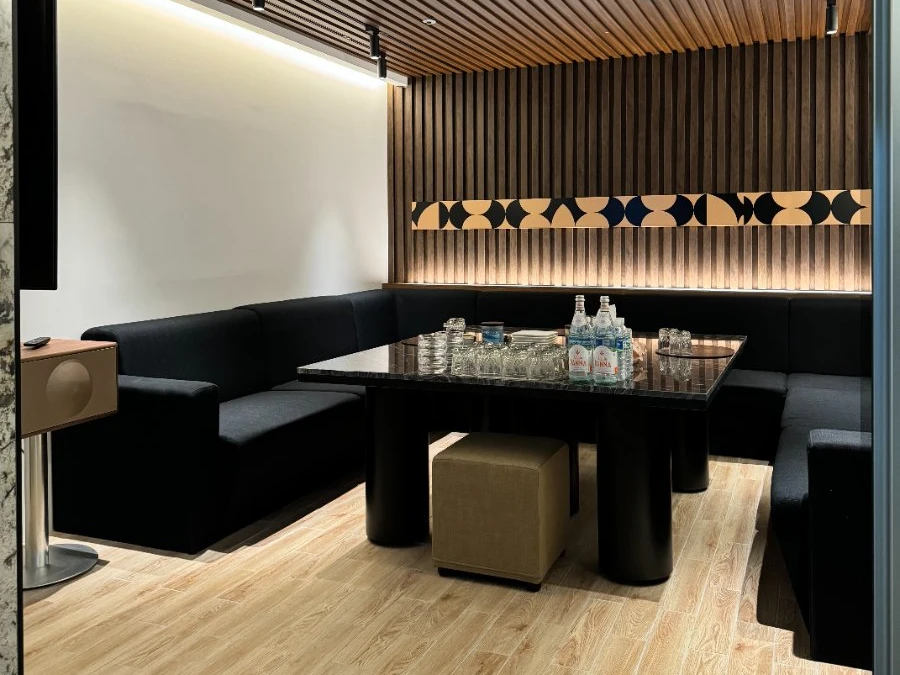
That is a useful perspective when considering private lounges in Gangnam, a district of Seoul in South Korea. An overseas visitor may recognise the words bar, lounge and private room while attaching different expectations to each. In the local Ilpro context, it is important to understand the adult nightlife setting, the hosted drinking format and the specific arrangements offered by each business.
Understand the name before comparing the spaces
Ilpro is a Korean reading of “one percent”. The name can suggest exclusivity, but it is not an independently measured ranking of customers, service or interiors. It should not be taken as proof that only the wealthiest people attend, or that particular public figures use a venue. Those assumptions do little to help somebody choose a suitable evening.
The 강남 일프로 guide currently brings together publicly presented information about ten lounges in Gangnam. It is an information and enquiry website covering multiple venues, rather than one establishment with a single entrance. Its listings organise photographs, addresses and selected room details so readers can begin comparing options.
These are adult nightlife venues, not general-purpose meeting rooms or family karaoke spaces. Before making a reservation, ask what the hosted service includes. A clear description is especially helpful when some guests are unfamiliar with the format. Privacy should be a feature everyone understands and wants, rather than a surprise revealed on arrival.
Begin with how the group will use the room
When planning any interior experience, purpose should come before decoration. Decide whether the group wants an intimate conversation, a celebratory evening or a more animated social setting. Then consider the number of people, their seating preferences and how long they expect to stay. Those practical decisions give the room search a direction.
The guide lists room counts for several venues, but a building with many rooms does not necessarily offer a larger room for your party. Ask for the capacity and layout of the room actually available on your date. Two venues with similar photographs may have very different arrangements once tables, service access and seating are taken into account.
A simple question can be more useful than a request for the “best” room: can everyone sit together comfortably without blocking the entrance or the service route? If someone has mobility needs, raise them before booking. A photograph of a spacious interior cannot confirm the accessibility of stairs, corridors or facilities elsewhere in the building.
Read the atmosphere without overreading the photograph
Lighting, upholstery and decorative finishes influence the first impression of a lounge. Warm illumination can make a room appear intimate, while reflective surfaces and stronger colours create a more theatrical appearance. The useful question is whether that mood matches the group, not whether the photograph looks expensive enough.
Published images are a starting point for discussion. Ask whether they show the room being offered or another space in the same establishment. A wide-angle photograph may not convey distances in the way a person experiences them, so it helps to request a straightforward description of the seating and table arrangement.
The same restraint applies to sound. Some listings mention sound insulation, while one advertises a special room with a dedicated DJ booth. Those are descriptions to confirm with the relevant venue, not evidence that every room has the same facilities. Equipment availability, music arrangements and the expected sound level should be discussed for the specific booking.
Treat arrival as part of the design
A well-planned evening has a clear route from the street to the seats. Gangnam is a district, not a single meeting point. The lounges listed in the guide are distributed across several roads, including Gangnam-daero, Dosan-daero, Bongeunsa-ro and Eonju-ro. Choose a location in relation to dinner, accommodation and the group’s onward travel.
Save the Korean venue name and address alongside any translated directions. A street address can identify the building without making the entrance obvious. Some businesses describe an approach from a side street, so a photo of the entrance or a short written explanation may be particularly useful to a first-time visitor.
If valet parking is advertised, confirm its current availability, cost and collection arrangements. Do not assume that a listing makes it free or guarantees a particular service on the night. Guests who intend to drink should arrange an appropriate way home, and the organiser should avoid relying on last-minute transport decisions.
Make the service as clear as the seating plan
Room-based hospitality involves more than the room itself. Drinks, staffing, time, service charges and additional requests may each affect the total. Comparing a bottle price at one venue with a complete package at another gives a misleading impression of value. Use the same party size and planned duration for each enquiry.
Request a written quotation that explains required charges, applicable taxes, optional additions and extension costs. Clarify who may approve extra spending. A group can agree on a comfortable budget before arrival without turning the evening into a detailed negotiation at the table.
The guide’s common contact channel is presented as an information service, not the direct telephone line of every listed lounge. Confirm which business is responding and who will hold the reservation. Details such as the date, arrival time, room allocation and cancellation arrangements should be clear before any commitment is made.
Keep hospitality centred on the guests
There is a temptation to choose a private venue because it sounds exclusive. A better approach is to choose it because the people attending are comfortable with the format. Explain the adult setting and the financial arrangement in advance, and make it easy for anyone to decline without embarrassment.
If colleagues or business contacts are involved, the setting should fit their preferences and relevant company policies. A private room is not a promise of confidentiality, and a social evening is not a substitute for formal negotiations. The quality of hosting lies in consideration, not in the assumption that an elaborate venue will secure a particular business outcome.
Before finalising the shortlist, consult https://gangnamilpro.com/ for the current public descriptions and prepare any unanswered questions. The photographs and location pages can support planning, while room availability, services and final prices still need confirmation from the relevant provider.
A setting chosen with intention
Looking at Gangnam’s private lounges through the lens of space and hospitality makes the choice easier to understand. The room, entrance, service and invitation all contribute to the experience. None needs to be exaggerated into a claim about the whole of South Korean society.
For an adult group that wants this kind of evening, a well-matched room and a clearly understood booking can matter more than grand language about status. Start with the people, establish the practical details and let the setting support the occasion.
