

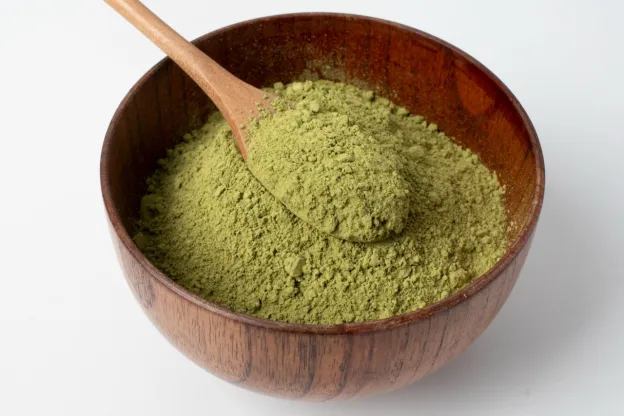
Ayurveda has long relied on nature’s ingredients to support balanced and mindful daily routines. Among these, Amla powder stands out for its versatility, traditional importance, and easy incorporation into different wellness practices. Derived from the Indian gooseberry, Amla has been valued in Ayurvedic traditions for its distinctive qualities and broad range of traditional applications. It can be used in dietary preparations as well as hair and skincare rituals, making it a practical ingredient for various routines. Its longstanding presence in Ayurveda reflects how one simple botanical can remain relevant across generations.
A Fruit With Deep Ayurvedic Roots
In Ayurveda, Amla is regarded as a valued rejuvenating herb and is traditionally associated with nourishment, balance, and vitality. The fruit is described through several traditional properties, including a combination of tastes and a cooling potency. These characteristics have helped establish its place within Ayurvedic approaches to daily care.
Its traditional profile is also connected with balancing all three doshas, Vata, Pitta, and Kapha. This tridoshic association makes it interesting within Ayurvedic routines, where individual constitution and lifestyle are often considered together. Rather than treating it as a single-purpose ingredient, traditional practices view it as something that can complement broader wellness habits.
Naturally Rich in Vitamin C
One reason Amla receives attention in modern wellness conversations is its natural Vitamin C content. The fruit is recognized for being nutrient-rich and is traditionally used in routines centered on general vitality and wellness. Its antioxidant content is another reason it remains popular among people exploring plant-based ingredients.
However, traditional use and modern health claims should not be confused. Ayurvedic practices provide a historical framework for understanding how herbs and fruits have been used, while individual responses can vary. This distinction helps keep expectations realistic while appreciating Amla’s traditional significance.
Flexible Ways to Include It
A major reason this ingredient remains common is its versatility. It can be prepared as a powder, offered in tablet form, or incorporated into traditional recipes and personal-care routines. Powdered forms can be mixed with warm water, honey, or juice according to product directions. This makes them convenient for people who prefer adding a traditional ingredient to an existing routine.
The powdered form is also suitable for external applications. Traditional hair masks may combine it with water or aloe vera gel before application to the scalp and hair. It can also be blended with rose water for a facial mask. These uses demonstrate how one botanical can fit into dietary, hair-care, and skincare rituals.
Supporting Traditional Digestive and Wellness Routines
Amla is traditionally associated with digestion and gentle cleansing practices. In Ayurvedic thought, digestive balance is an important part of overall wellness, and ingredients are often selected according to their traditional qualities and an individual’s constitution.
Product information also describes Amla for internal routines focused on digestive and immune support. Such descriptions reflect traditional wellness positioning rather than a promise to diagnose or treat a medical condition. Anyone using supplements regularly should consider personal circumstances and seek professional guidance when appropriate.
Hair and Skin Applications
Amla’s traditional use extends strongly into personal care. Hair routines have long incorporated botanical ingredients, and Amla is commonly associated with masks intended to support natural shine and healthy-looking hair. Its use in topical preparations makes it appealing to people who prefer plant-based approaches to personal care.
For skin, traditional applications often involve combining powdered fruit with a suitable liquid to create a mask. The preparation can become part of a simple self-care ritual. The attraction lies not only in the ingredient itself but also in the broader Ayurvedic idea of maintaining consistent, balanced routines.
Powder or Tablet Form?
Choosing between forms often depends on convenience and intended use. Powder offers flexibility because it can be mixed into drinks or used in external preparations. Tablets provide a straightforward format for people who prefer a measured supplement that does not require preparation.
Both forms can fit into a modern routine, but they serve different practical preferences. Product directions should always guide serving size and usage. The product information recommends one teaspoon for its powdered preparation and describes both internal and topical applications. People who are pregnant, nursing, taking medications, or managing a health condition should consult a qualified healthcare practitioner before internal use.
Understanding Benefits of Amla Powder
Amla powder benefits are traditionally associated with several areas of everyday wellness. Amla is valued in Ayurvedic practices for its nutrient-rich profile and its traditional connection with digestion, immunity, skin, hair, and overall vitality. Its naturally occurring Vitamin C and antioxidant properties further contribute to its popularity as a botanical ingredient.
These traditional uses make it a versatile addition to wellness routines, whether incorporated into dietary practices or selected for external hair and skincare applications. However, traditional wellness uses should not be considered a substitute for professional medical advice or treatment.
Why Tablets Remain Popular
Tablet formats provide another convenient way to include familiar Ayurvedic herbs in daily routines. Amla tablets are useful for people who prefer portability, consistent serving formats, and minimal preparation. The availability of both powder and tablets means individuals can choose according to their habits and preferences.
When comparing Amla tablets benefits with powdered preparations, convenience is an important practical distinction. Powder offers more versatility for drinks and topical masks, while tablets can be easier to carry and consume according to product directions. Neither format needs to replace the other; the appropriate choice depends on the routine a person can follow consistently.
Conclusion
Amla’s lasting place in Ayurvedic practices comes from its versatility, traditional value, and ability to complement different wellness routines. From dietary preparations to hair and skincare rituals, this fruit offers multiple ways to connect with time-honored Ayurvedic practices. Its availability in convenient forms also makes it easier to incorporate into modern lifestyles while preserving the traditional appeal of this widely valued botanical.
For those seeking trusted, natural solutions rooted in authentic Ayurvedic wellness traditions, PureAyurBliss offers premium Ayurvedic wellness products designed around traditional practices and modern routines, grounded in traditional Ayurvedic principles. Its range includes USDA Organic herbal supplements, Ayurvedic powders and tablets, botanical skincare, and wellness education. The brand also provides Ayurvedic consultation opportunities, focusing on authenticity, quality, responsible sourcing, sustainability, transparency, and accessible daily rituals for health-conscious consumers seeking natural wellness options.
