

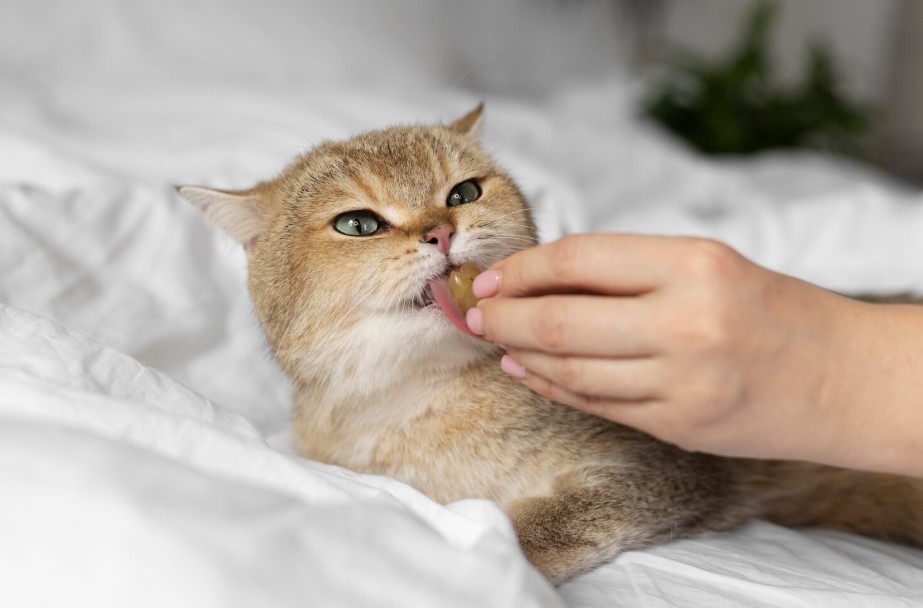
Keeping your cat healthy goes beyond feeding them the right meals and providing a cozy place to sleep. One often overlooked aspect of feline wellness is oral hygiene. Just like humans, cats can suffer from plaque buildup, bad breath, gum disease, and tooth decay if their teeth aren’t properly cared for. Unfortunately, brushing a cat’s teeth daily can be a challenge for many pet parents.
That’s where cat dental treats come in. These specially designed treats help reduce plaque and tartar while giving your cat a delicious snack they’ll love. For busy pet owners in the USA looking for an easy way to improve their cat’s oral health routine, dental treats are one of the most convenient and effective solutions.
In this guide, we’ll explore how cat dental treats work, how to choose the best cat dental treats, and how they fit into a complete cat dental care routine for a healthier, happier feline.
Why Cat Dental Health Matters
Many cat owners underestimate the importance of dental health, but studies show that over 70% of cats develop dental disease by age three. Plaque and tartar buildup can lead to painful conditions like gingivitis and periodontal disease.
Poor dental health can cause:
- Persistent bad breath
- Inflamed or bleeding gums
- Difficulty eating
- Tooth loss
- Bacterial infections that may affect vital organs
Because cats are experts at hiding pain, dental issues can progress unnoticed for a long time. Implementing a routine that includes cat dental treats is a simple step toward preventing these problems.
What Are Cat Dental Treats?
Cat dental treats are specially formulated snacks designed to improve oral hygiene. Unlike regular treats, they typically have a crunchy texture or unique shape that helps scrub plaque off teeth as cats chew.
These treats may also contain ingredients that support cat dental care, such as:
- Plaque-fighting enzymes
- Tartar-control minerals
- Breath-freshening ingredients
- Calcium and vitamins for strong teeth
When used consistently, they can help reduce plaque buildup and support overall dental health.
How Cat Dental Treats Help Improve Oral Health
Dental treats work in several ways to support cat dental care.
1. Mechanical Cleaning
The crunchy texture of cat dental treats creates a gentle scraping effect on your cat’s teeth while they chew. This helps reduce plaque before it hardens into tartar.
2. Plaque Control Ingredients
Many of the best cat dental treats contain enzymes or additives that break down plaque and slow tartar formation.
3. Encouraging Chewing Behavior
Cats that regularly chew dental treats stimulate saliva production. Saliva naturally helps wash away food particles and bacteria.
4. Fresher Breath
Bad breath is often caused by bacteria in the mouth. Dental treats designed for cat dental care can reduce odor-causing bacteria and keep breath fresher.
Signs Your Cat May Need Dental Support
Many pet parents in the United States discover dental problems only after they become serious. Watch for these common signs:
- Bad breath
- Yellow or brown tartar buildup
- Red or swollen gums
- Drooling or pawing at the mouth
- Difficulty chewing food
- Reduced appetite
If you notice any of these symptoms, introducing cat dental treats along with proper veterinary care can help support oral health.
Choosing the Best Cat Dental Treats
With so many options available in the USA pet market, choosing the best cat dental treats can feel overwhelming. Here are a few key factors to consider.
Look for Veterinary Approval
Products approved by veterinary dental organizations are typically more effective in supporting cat dental care.
Check Ingredient Quality
High-quality treats should include:
- Natural ingredients
- Essential vitamins and minerals
- Minimal artificial additives
Consider Texture and Size
The best cat dental treats should be crunchy enough to clean teeth but small enough for your cat to chew comfortably.
Choose Treats with Functional Benefits
Some treats include ingredients that support:
- Gum health
- Fresh breath
- Plaque reduction
Avoid Excess Calories
Dental treats should complement your cat’s diet without contributing to weight gain.
Types of Cat Dental Treats Available
Pet stores across the USA offer several types of cat dental treats designed to support cat dental care.
Crunchy Dental Bites
These are the most common cat dental treats and work through mechanical cleaning while chewing.
Enzyme-Based Dental Treats
These treats contain enzymes that break down plaque and bacteria.
Natural Dental Chews
Some treats use natural fibers and ingredients to support oral hygiene.
Breath-Freshening Treats
These combine dental cleaning benefits with ingredients that help reduce bad breath.
How Often Should Cats Eat Dental Treats?
Consistency is key when it comes to cat dental care. Most veterinarians recommend giving cat dental treats once or twice daily as part of a balanced routine.
However, treats should never replace regular meals. Instead, they should be used as a supplement to support dental health.
Always follow the feeding guidelines on the product packaging and consult your veterinarian if you’re unsure.
Dental Treats vs. Tooth Brushing
While cat dental treats are incredibly helpful, they shouldn’t completely replace brushing your cat’s teeth.
Here’s a quick comparison:
| Method | Benefits | Limitations |
|---|---|---|
| Tooth Brushing | Most effective plaque removal | Hard to do with many cats |
| Cat Dental Treats | Easy and enjoyable for cats | Less effective than brushing |
| Dental Diets | Long-term plaque control | May require diet change |
The best approach combines brushing, professional veterinary care, and cat dental treats.
Building a Complete Cat Dental Care Routine
For the best results, dental treats should be part of a broader cat dental care routine.
1. Provide Dental Treats Daily
Giving cat dental treats regularly helps maintain oral hygiene between vet visits.
2. Schedule Regular Vet Checkups
Veterinarians can detect dental problems early and recommend professional cleanings if needed.
3. Use Dental-Friendly Diets
Certain cat foods are designed to support cat dental care by reducing plaque buildup.
4. Introduce Tooth Brushing Slowly
Even brushing a few times a week can significantly improve dental health.
5. Offer Safe Chewing Options
Dental toys and chew treats can complement the benefits of cat dental treats.
Common Myths About Cat Dental Care
Many cat owners still believe outdated myths about dental health.
Myth 1: Cats Don’t Need Dental Care
Cats naturally hide pain, which means dental problems often go unnoticed.
Myth 2: Dry Food Cleans Teeth
While dry food helps slightly, it’s not enough to replace proper cat dental care.
Myth 3: Dental Treats Are Just Snacks
High-quality cat dental treats are designed specifically to support oral health.
Emerging Trends in Cat Dental Care
The pet care industry in the United States continues to innovate, and cat dental care is evolving rapidly.
Functional Pet Treats
More brands are creating the best cat dental treats that combine oral health with nutritional benefits.
Natural Ingredients
Pet parents increasingly prefer treats made with natural and limited ingredients.
Veterinary-Approved Products
Treats certified by veterinary dental organizations are becoming more common.
Personalized Pet Nutrition
Some companies now offer dental treats tailored to specific health needs.
Tips for Introducing Dental Treats to Your Cat
Some cats may need time to adjust to new treats. Here’s how to introduce cat dental treats successfully.
- Start with small portions.
- Offer treats during regular feeding times.
- Choose flavors your cat already enjoys.
- Praise your cat when they eat the treats.
Consistency will help your cat accept dental treats as part of their daily routine.
Final Thoughts
Dental health plays a crucial role in your cat’s overall well-being. Without proper care, plaque buildup can lead to painful infections and serious health complications.
Incorporating cat dental treats into your pet’s daily routine is one of the easiest ways to support oral hygiene. When chosen carefully, the best cat dental treats help reduce plaque, freshen breath, and encourage healthy chewing habits.
However, remember that dental treats work best when combined with regular veterinary checkups and other cat dental care practices. By taking a proactive approach today, you can protect your cat’s teeth and keep them healthy, comfortable, and happy for years to come.
Frequently Asked Questions (FAQs)
1. Are cat dental treats effective for cleaning teeth?
Yes, cat dental treats can help reduce plaque and tartar buildup when used regularly. While they are not a complete replacement for brushing, they are an effective part of a cat dental care routine.
2. How many cat dental treats should I give my cat daily?
Most brands recommend 5–10 treats per day depending on your cat’s size. Always follow the feeding guidelines provided with the best cat dental treats you choose.
3. Can kittens eat cat dental treats?
Some cat dental treats are suitable for kittens over a certain age, but many are designed for adult cats. Always check the product label before feeding.
4. Do cat dental treats replace tooth brushing?
No. While cat dental treats support oral hygiene, brushing remains the most effective method for removing plaque. Combining both methods provides the best cat dental care.
5. What ingredients should I look for in the best cat dental treats?
Look for treats containing natural ingredients, plaque-fighting enzymes, vitamins, and minerals that support cat dental care while avoiding excessive artificial additives.
