

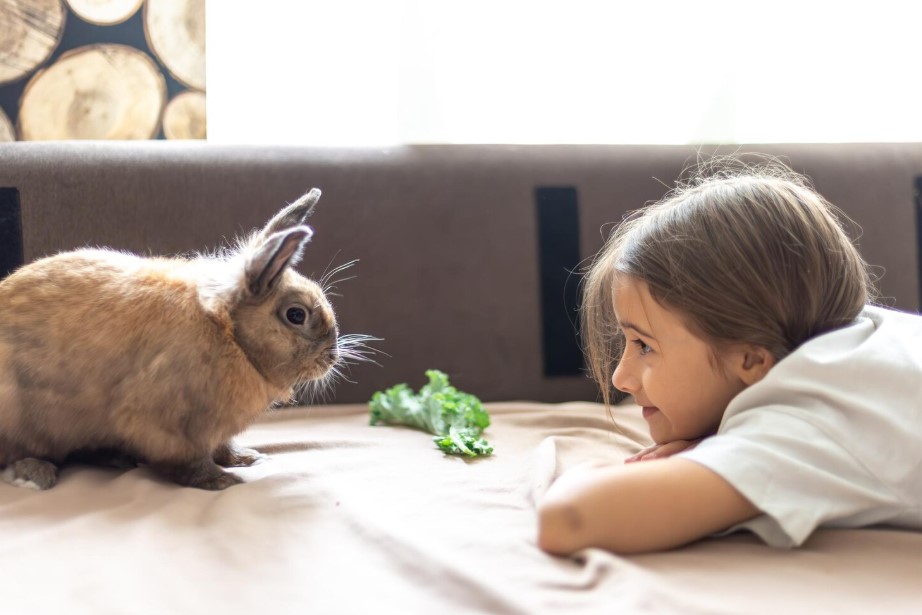
Small pets may be tiny, but they have big needs when it comes to activity, exploration, and enrichment. Animals such as rabbits, hamsters, guinea pigs, gerbils, mice, and other small animal companions need more than just food and a comfortable cage.
Providing the right small animal toys helps encourage natural behaviors, reduce boredom, support exercise, and create a more engaging environment.
In the wild, small animals spend much of their time searching for food, exploring, digging, chewing, and interacting with their surroundings. Pet environments are usually much smaller, so toys and enrichment activities help recreate some of these important behaviors.
This guide explains why toys matter, how they support small pet health, and how to choose safe options for your animal.
Why Small Animal Toys Matter
Toys are not just entertainment. They provide important physical and mental benefits.
The right small animal toys can help support:
- Mental stimulation
- Physical exercise
- Natural behaviors
- Stress reduction
- Dental health
- Confidence and curiosity
Without enough activity, small pets may become bored or inactive.
Boredom can sometimes lead to unwanted behaviors such as:
- Excessive chewing
- Repetitive actions
- Reduced activity
- Stress-related behavior
A well-designed environment with appropriate toys helps keep pets engaged and active.
Supporting Natural Behaviors
Every small animal has natural instincts that should be encouraged.
Different species have different behaviors.
Chewing
Many small pets have continuously growing teeth.
Chewing helps animals naturally maintain their teeth.
Suitable chew toys may include:
- Untreated wooden toys
- Natural chew blocks
- Safe plant-based materials
Always choose products made specifically for pets.
Avoid toys treated with chemicals, paint, or unsafe coatings.
Digging
Many small animals naturally enjoy digging and exploring.
Digging opportunities can provide:
- Mental enrichment
- Exercise
- Natural behavior expression
Examples include:
- Digging boxes
- Deep bedding areas
- Tunnels
Exploring
Exploration helps keep small pets mentally active.
Tunnels, hideouts, and activity areas encourage movement and curiosity.
How Small Animal Toys Provide Mental Stimulation
Mental stimulation is an important part of overall pet care.
Small animals are intelligent and need activities that challenge their minds.
Toys can encourage:
Problem Solving
Puzzle-style toys encourage pets to think and interact.
Examples include:
- Treat puzzles
- Foraging toys
- Activity feeders
These toys make pets work for rewards, similar to how they search for food naturally.
Curiosity
New safe toys can introduce variety into a pet’s environment.
Changing toys occasionally can help prevent boredom.
Confidence Building
Some shy animals become more comfortable when they have safe places to explore.
Tunnels and hideouts can help create a secure environment.
Benefits of Exercise for Small Pets
Exercise is essential for maintaining a healthy body condition.
The right small animal toys encourage movement and activity.
Benefits include:
- Supporting a healthy weight
- Improving mobility
- Increasing activity levels
- Reducing boredom
Different pets need different types of exercise.
A hamster may enjoy running and exploring, while a rabbit may need more open space for movement.
Choosing Toys Based on Your Small Animal
Not every toy is suitable for every pet.
Always consider:
- Species
- Size
- Age
- Chewing habits
- Activity level
- Safety requirements
Toys for Rabbits
Rabbits are active animals that enjoy exploring and chewing.
Suitable rabbit toys may include:
- Hay-based toys
- Chew blocks
- Tunnels
- Digging toys
- Foraging activities
Rabbits often enjoy toys that encourage natural behaviors like chewing and searching.
Toys for Hamsters
Hamsters are energetic and naturally curious.
Useful hamster toys may include:
- Exercise wheels
- Tunnels
- Hideouts
- Chew toys
- Foraging toys
Choose appropriately sized equipment to prevent injury.
Toys for Guinea Pigs
Guinea pigs enjoy exploring and interacting with their environment.
Good options include:
- Tunnels
- Hide houses
- Chew toys
- Activity areas
Because guinea pigs are social animals, enrichment can help keep them engaged.
Toys for Gerbils and Mice
Small rodents often enjoy activities that involve:
- Digging
- Climbing
- Exploring
- Chewing
Suitable options may include:
- Tunnels
- Wooden structures
- Climbing accessories
- Nesting materials
Types of Small Animal Toys
There are many types of toys available.
Chew Toys
Chew toys support natural chewing behavior.
They are especially useful for animals with continuously growing teeth.
Tunnels
Tunnels provide:
- Exploration
- Hiding spaces
- Exercise opportunities
Foraging Toys
Foraging toys encourage animals to search and interact.
They can make feeding time more interesting.
Climbing Toys
Some small pets enjoy climbing and exploring different levels.
Make sure climbing toys are stable and safe.
Interactive Toys
Interactive toys encourage problem-solving and engagement.
They can help prevent boredom by adding variety.
Safety Tips When Choosing Small Animal Toys
Safety should always come first.
Before giving a toy to your pet, check:
Material Safety
Choose:
- Non-toxic materials
- Pet-safe wood
- Durable construction
Avoid:
- Sharp edges
- Toxic coatings
- Small parts that can be swallowed
Size
A toy should match your pet’s size.
A toy that is too small may create a choking risk.
A toy that is too large may be difficult to use.
Condition
Inspect toys regularly.
Remove toys that are:
- Broken
- Splintered
- Damaged
- Dirty beyond cleaning
Common Small Animal Toy Mistakes
Buying Toys Only for Appearance
A colorful toy is not always useful.
Choose toys based on your pet’s needs.
Providing No Variety
Using the same toy forever may reduce interest.
Rotate toys to keep the environment interesting.
Choosing Unsafe Materials
Avoid products made with questionable materials.
Overcrowding the Cage
Too many toys can reduce the important living space.
Balance enrichment with enough room for movement.
Ignoring Species Differences
A toy suitable for one animal may not work for another.
How Often Should You Change Small Animal Toys?
There is no fixed schedule.
Toy rotation depends on:
- Pet interest
- Toy condition
- Species
- Activity level
A simple rotation system can help keep pets interested.
Instead of adding many toys at once:
- Keep some toys available
- Store others safely
- Swap them occasionally
This creates a fresh experience without overcrowding the habitat.
Creating an Enriching Small Animal Environment
Toys work best when combined with proper care.
A complete environment should include:
- Suitable habitat
- Balanced diet
- Fresh water
- Safe bedding
- Hiding areas
- Regular interaction
Small animal care is about creating a space where pets can express natural behaviors.
Toys are one important part of that environment.
Build a Better Play and Enrichment Routine
The right small animal toys help support a healthier and happier pet lifestyle.
Choose toys based on your animal’s natural behaviors, provide safe materials, and offer variety through rotation.
Before buying new toys, observe your pet. Does it enjoy chewing, digging, climbing, hiding, or searching? Choosing toys that match these behaviors creates better enrichment.
A stimulating environment helps small pets stay active, curious, and comfortable.
Frequently Asked Questions
1. Why are small animal toys important?
Small animal toys provide mental stimulation, exercise, and opportunities for pets to display natural behaviors.
2. Can all small animals use the same toys?
No. Different species have different needs. A rabbit toy may not be suitable for a hamster or guinea pig.
3. How many toys should a small animal have?
The number depends on cage size and species. Provide enough enrichment while keeping enough space for movement.
4. Are chew toys necessary for small pets?
Many small pets benefit from chew toys because chewing supports natural tooth maintenance and enrichment.
5. How often should I replace small animal toys?
Replace toys when they become damaged, unsafe, or no longer suitable. Rotating toys can help maintain interest.
