

Transforming an outdoor space does not always require completing every improvement in a single project. Homeowners using residential landscaping services can often get better results by deciding what needs attention first and creating a plan that allows the property to improve in logical stages.
Landscape renovation can involve planting, sod, irrigation, drainage, lighting, patios, retaining walls, and ongoing maintenance. Considering these elements together can help homeowners avoid completing one improvement that later interferes with another.
Begin With the Problems That Affect Everything Else
Before choosing flowers, patios, or decorative features, look for conditions that could influence the entire yard. Poor drainage, erosion, steep slopes, damaged turf, and irrigation problems are good examples.
A local landscape design company can help organize these concerns into a practical plan before construction or planting begins. This is useful when homeowners know they want major improvements but are unsure which projects should happen first.
Fixing foundational issues early may also reduce the need to disturb newly completed areas later.
Decide How the Property Should Function
A landscape should reflect the way people actually use the property. Some families need open lawn for children or pets, while others prefer outdoor dining, gardening, entertaining, or quiet seating areas.
Write down the activities the yard should support before selecting materials. This can help determine whether space is better used for a patio, lawn, walkway, planting bed, fire pit, or another feature.
Not every available area needs to be developed. Leaving flexible space can make future changes easier.
Create a Long-Term Design Before Building
Even when a project will be completed in phases, it helps to have an overall design from the beginning. A master plan shows how future improvements can connect.
For example, homeowners planning a patio next year should avoid planting a large bed where construction access will eventually be needed. Similarly, irrigation or drainage lines may need to be considered before walkways or retaining walls are installed.
Thinking several steps ahead can reduce unnecessary demolition and rework.
Handle Drainage and Grading Early
Water can influence nearly every part of a landscape. Poor drainage may lead to muddy lawn areas, erosion, washed-out mulch, stressed plants, or water collecting near outdoor living spaces.
Solutions may include grading adjustments, drainage systems, erosion control, or dry creek beds depending on the property. The right approach should be based on how water actually moves through the site.
Homeowners can learn a lot by observing the yard during heavy rain and noting where runoff collects or flows.
Build Hardscape Before Delicate Planting
Patios, retaining walls, steps, walkways, and outdoor kitchens typically involve more construction activity than planting. Heavy materials and equipment may need access through parts of the yard.
Completing major hardscape first can help protect new lawns and garden beds from unnecessary disturbance. Once construction is finished, planting can soften the finished structures and connect them with the rest of the property.
This sequence can also make final grading and cleanup easier.
Add Plants With Future Growth in Mind
New landscaping can look sparse immediately after installation because young plants have not reached their mature size. Filling every gap with extra plants can create overcrowding later.
Choose trees and shrubs according to their expected height and spread. Their sunlight, soil, and moisture requirements should also fit the specific planting location.
A balanced mix of evergreens, seasonal flowers, shrubs, and trees can provide interest throughout different parts of the year without relying on one short flowering period.
Think About Lighting and Irrigation Before Finishing
Landscape lighting and irrigation are easier to integrate when they are planned before the final beds and lawn areas are completed.
Lighting can improve visibility around steps, paths, patios, and entrances while highlighting selected landscape features after dark. Irrigation should be divided according to the needs of lawn, shrubs, and planting beds rather than watering every area identically.
Planning these systems early can reduce disruption to finished landscaping later.
Finish With a Realistic Maintenance Plan
A newly renovated landscape will continue changing after installation. Lawns need mowing, shrubs need pruning, beds need weed management, and seasonal debris needs to be removed.
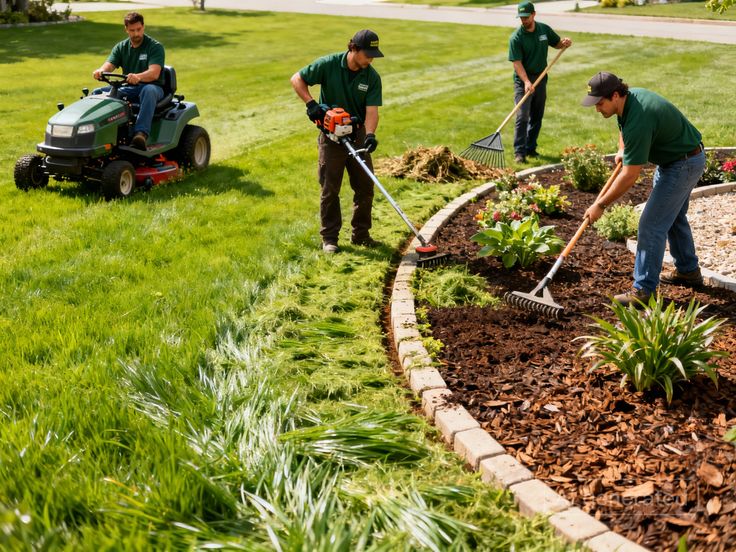
Russo Landscapes also provides residential maintenance programs that include mowing, edging, pruning, weed control, leaf management, and related routine care.
Homeowners should decide how much maintenance they want to handle themselves when developing the original design. A beautiful landscape is more enjoyable when its upkeep fits the household’s available time.
Conclusion
A landscape renovation does not need to happen all at once to feel well planned. Drainage, hardscape, planting, lighting, irrigation, and maintenance can be organised into stages as long as the overall design is established first.
Homeowners considering a phased outdoor transformation can explore design and installation services through russolandscapes.com. A long-term plan can help each completed stage connect naturally with the improvements that come later.
