

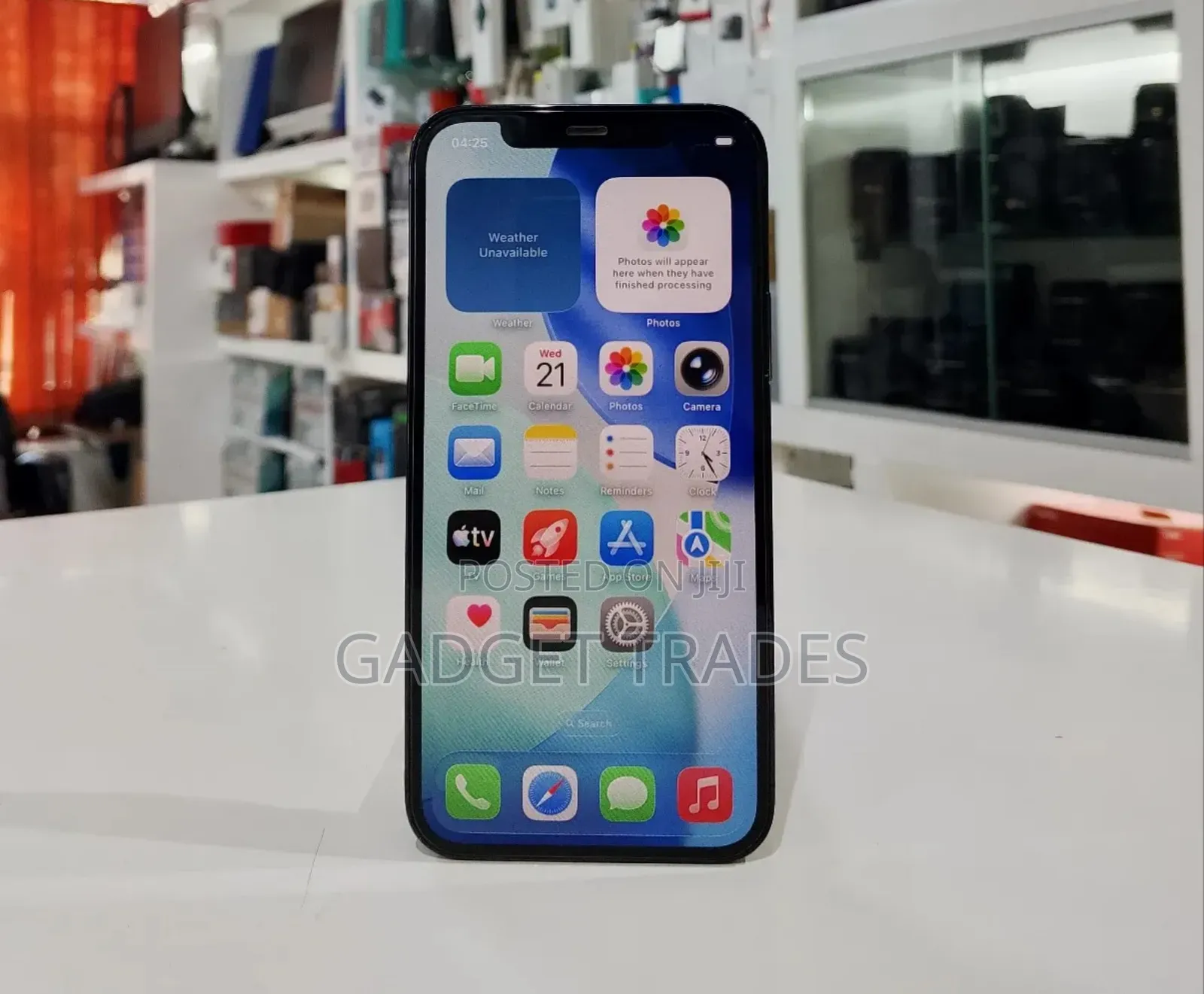
If you want an iPhone but do not want to pay for the latest model, you quickly face a tricky question: how old is too old? Go back too far and you get a phone that feels slow, lacks modern features and will soon stop receiving updates. Stay too recent and the price climbs quickly. For many buyers, the iPhone 12 sits right in the middle. It was the model that introduced the modern flat-edged iPhone design, OLED on the standard model, 5G and MagSafe, and it still feels current in daily use. Here is why it remains such a popular choice, what to watch out for and how to buy a good one.
What makes the iPhone 12 a sweet spot
The iPhone 12 was a big step forward compared with the iPhone 11. Apple replaced the LCD with a sharp OLED display, added 5G, introduced the tougher Ceramic Shield front glass and brought in MagSafe magnetic accessories. At the same time, it made the phone thinner and lighter. Those upgrades mean the iPhone 12 looks and feels much closer to today’s models than its age suggests, while costing considerably less than an iPhone 13 or 14.
Because millions of units were sold worldwide, the iPhone 12 is widely available on the second-hand market, in many storage sizes and conditions. If you are buying in Kenya, checking current listings for the iPhone 12 is a quick way to compare 64 GB, 128 GB and 256 GB versions, UK-used and locally used phones, and offers from shops and individual sellers. Looking at several offers before you pay makes it much easier to recognise a fair price.
Key specifications at a glance
- Display: 6.1-inch Super Retina XDR OLED, 2532 × 1170 pixels
- Chip: Apple A14 Bionic
- Storage: 64 GB, 128 GB or 256 GB
- Rear cameras: 12 MP wide and 12 MP ultra-wide, Night mode on both
- Front camera: 12 MP with Night mode
- Video: 4K recording with Dolby Vision HDR
- Charging: Lightning port, fast charging with a 20 W adapter, MagSafe and Qi wireless charging
- Build: aluminium frame, Ceramic Shield front, IP68 (up to 6 metres for 30 minutes)
- Connectivity: 5G, Wi-Fi 6, Face ID
Design: the start of the modern iPhone look
The iPhone 12 brought back the flat edges first seen on the iPhone 4 and 5, and that design has been used on every iPhone since. As a result, the iPhone 12 does not look dated next to newer models. It is noticeably slimmer and lighter than the iPhone 11, at around 164 grams, and the 6.1-inch size is a comfortable balance between screen space and one-handed use.
The Ceramic Shield front is much more resistant to cracks from drops than previous iPhone glass, although it can still scratch. A screen protector and a case are still a good idea, especially on a used phone you want to keep in good condition. IP68 water resistance means rain and accidental splashes are not a problem, but keep in mind that seals weaken with age and after repairs.
Display: a real upgrade over the iPhone 11
The OLED screen is one of the biggest reasons to choose the iPhone 12 over the iPhone 11. It is much sharper, with deep blacks, rich colours and excellent contrast. Videos on YouTube and Netflix look far better, especially HDR content, and text is crisp and easy to read.
The one thing it lacks compared with Pro models and newer phones is a high refresh rate. The display runs at 60 Hz, so scrolling is not as fluid as on 120 Hz screens. If you have never used a high-refresh-rate phone, you are unlikely to notice.
Performance: still quick for everyday use
The A14 Bionic remains a capable chip. For messaging, social media, browsing, video calls, streaming, navigation, M-Pesa and banking apps, the iPhone 12 feels quick and responsive. Most games run smoothly too, including popular titles such as Call of Duty Mobile and PUBG at good settings.
The phone has 4 GB of RAM, which is modest by today’s standards. You may notice apps reloading when you switch between many of them, but for normal use it is rarely a problem. Newer features such as Apple Intelligence are not supported on the iPhone 12, as they require more recent chips and more memory.
Cameras: great photos and even better video
The dual 12 MP camera system is simple but reliable. In daylight, photos are sharp, with natural colours and good dynamic range. Night mode works on both the main and ultra-wide cameras, and the main camera’s wider aperture lets in more light than the iPhone 11’s, so low-light photos are cleaner and more detailed.
Video is where the iPhone 12 shines. It records 4K video with Dolby Vision HDR, stabilisation is excellent, and the footage looks fantastic on social media. For anyone creating content for TikTok, Instagram or YouTube on a budget, it is still one of the best-value options. The main limitation is the lack of an optical zoom lens, which only the Pro models offered.
Battery life: the main weak point
Battery life is the iPhone 12’s biggest compromise. Even when new, it was only average, and after several years of use most batteries have lost some capacity. With a healthy battery, you can expect to get through a normal day with moderate use. With a worn battery, you may need to charge in the afternoon.
That is why checking battery health is essential. If the phone you like has a weak battery, a replacement is relatively affordable and can make the phone feel almost new, but it should be reflected in the price. Also note that Apple does not include a charger in the box. For fast charging, use a 20 W USB-C power adapter with a USB-C to Lightning cable.
Software support
The iPhone 12 still receives the latest version of iOS, which means ongoing new features and security updates. Apple typically supports iPhones for many years, but the iPhone 12 is closer to the end of that cycle than newer models. If you want the longest possible support, an iPhone 13 or later is a safer bet. If you plan to use the phone for the next two or three years, the iPhone 12 remains a solid choice.
iPhone 11, 12 or 13?
These three models are the most common choices on the used market, so it helps to compare them:
- iPhone 11: the cheapest option, with a good camera and strong battery life for its age, but an LCD screen, no 5G and a thicker, heavier body.
- iPhone 12: the balance point, with an OLED display, 5G, MagSafe, the modern design and a better night camera, at a moderate price.
- iPhone 13: better battery life, a faster chip and longer remaining software support, but a noticeably higher price.
If battery life is your top priority and your budget allows, go for the iPhone 13. If you want the most modern experience for the money, the iPhone 12 is hard to beat.
How to check a used iPhone 12 before you buy
- Battery health: go to Settings → Battery → Battery Health & Charging. Above 85% is good; below 80% means a replacement will be needed soon.
- Parts and service history: under Settings → General → About, check whether the screen, battery or camera has been replaced with non-original parts.
- Face ID: set it up with your own face. If it does not work, walk away or negotiate a much lower price.
- Earpiece and speaker: make a test call. Some early iPhone 12 units had a known issue with no sound from the earpiece, so make sure you can clearly hear the other person.
- Apple ID and Find My: the seller must sign out of their Apple ID and turn off Find My in front of you, then erase the phone.
- IMEI: dial *#06# and check that the number matches the box and settings.
- Network: insert your SIM card to confirm the phone is not carrier-locked and gets a stable signal.
- Physical check: test cameras, buttons, the Lightning port and MagSafe charging if you have a charger.
Buying safely
Always meet sellers in a busy public place such as a shopping mall or a phone shop, where you have time and light to inspect the phone. Never send a deposit for a phone you have not seen, and do not let anyone rush you through the checks. If something does not feel right, walk away: there are plenty of other iPhone 12s available.
The verdict
The iPhone 12 remains one of the smartest ways to buy an older iPhone. It offers a beautiful OLED display, a modern design, 5G, MagSafe, strong video recording and smooth everyday performance at a fraction of the price of newer models. Its weaker battery life and shorter remaining software support are the trade-offs. Check the battery and phone carefully, pay a fair price, and the iPhone 12 can serve you well for years to come.
