

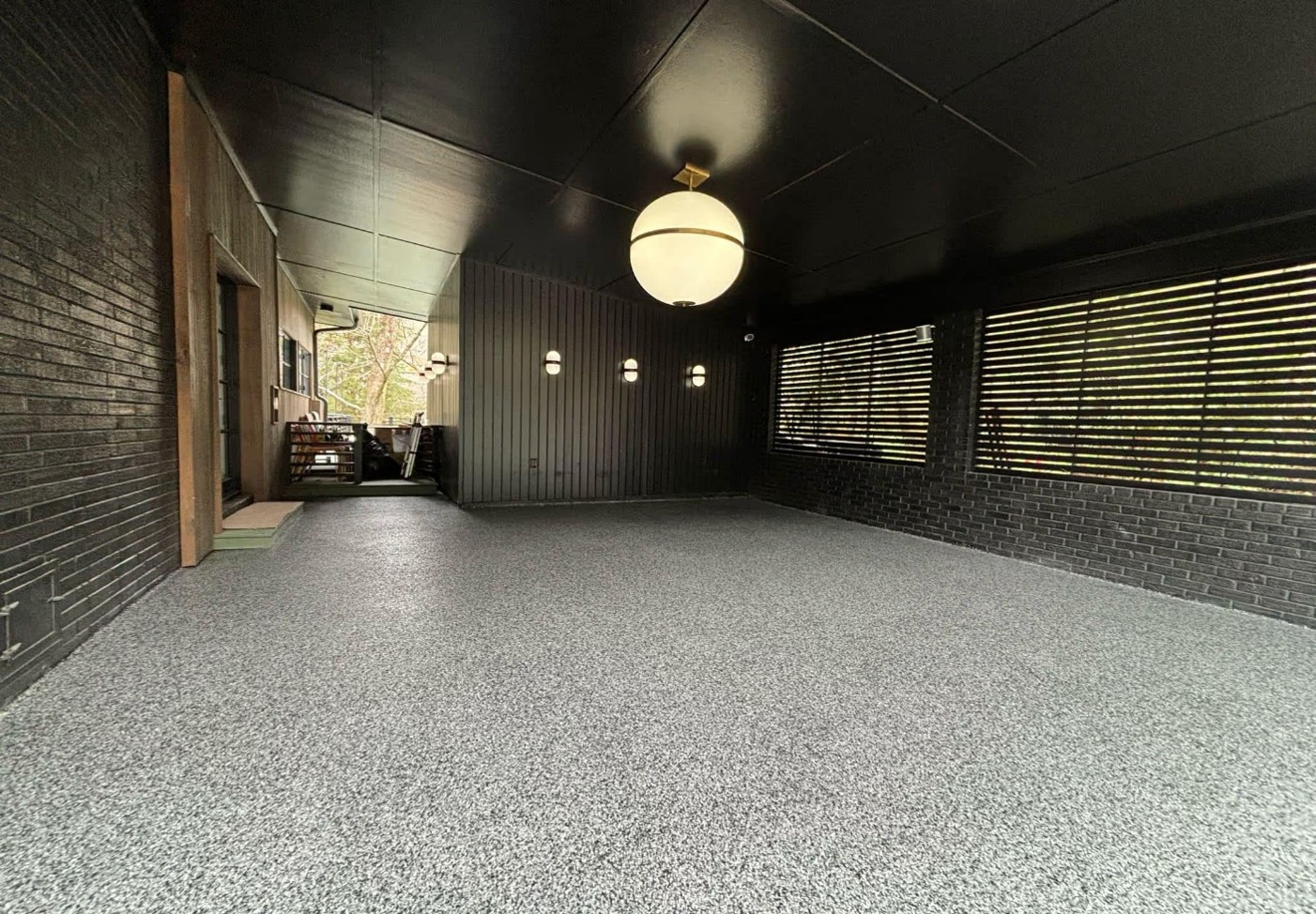
Concrete surfaces usually collect dust easily and look quite boring in most working environments. Applying epoxy flooring creates a seamless layer that seals raw concrete underneath quite effectively. You mix liquid resin with hardeners right on job site grounds before spreading it out flat. It dries real fast into a hard floor that takes hits, heavy steps, and messy spills like a champ without any cracks. Sweeping is super easy now because gunk cannot get stuck inside tiny open holes anymore. Most garage owners choose this option for long term floor protection without spending fortune.
Prepping raw floor surface
Scrubbing the concrete clean remains the most critical step before applying any resin coating. Grinding the surface opens up small pores so the liquid bond penetrates deeply enough. Dust must be swept away completely or the final layer will peel off eventually. Moisture testing helps prevent bubbles from forming under the fresh floor coating over time. Washing with specialized mild soap removes oil spots completely from driveways and shop floors. Taking time during preparation ensures everything sticks down flat without forming annoying loose spots later.
Benefits of hard coatings
Installing tough coatings protects your bare subfloor against harsh chemical spills and heavy equipment weights. Epoxy flooring offers high resistance against chemical stains from oil spills or harsh acidic liquids. Heavy machinery rolls across the finished space without chipping the underlying structural foundation underneath. Light reflects off glossy finishes quite well which brightens dark warehouse spaces without extra lighting. Maintaining these surfaces requires simple sweeping along with occasional wet mopping using mild detergent solutions. Many industrial facilities select these thick coatings to keep worker paths clean and bright.
Choosing proper thick resin
Selecting thick coats depends on how much daily traffic your specific floor area sees regularly. Thinner coatings work fine for low traffic residential basements with light foot movement around. Heavy industrial spaces require multi layer installations that hold up against heavy forklift traffic daily. Adding color flakes introduces visual texture while making slippery surfaces much safer to walk on. Clear topcoats protect decorative layers underneath from fading under direct exposure to harsh sunlight. Checking temperature ratings ensures the chemical mixture cures properly without turning soft or tacky later.
Concrete polishing process explained
Grinding bare floors with heavy diamond discs brings out natural shine without using chemicals. The concrete polishing technique hardens top layers while smoothing out rough bumps and uneven cracks. Coarse diamond pads strip away old stains during initial passes across unsealed floor areas. Finer pads gradually smooth out surfaces until desired gloss levels appear on top naturally. Liquid densifiers penetrate deep into porous concrete to create a much denser protective surface. Polished floors rarely require replacement because the underlying mineral structure remains extremely durable throughout usage.
Keeping polished floors shiny
Maintaining high natural shine requires basic routine maintenance using simple water and microfiber mops. Dust mopping daily removes small grit particles that might scratch shiny polished surfaces over time. Neutral cleaner solutions preserve natural mineral clarity without leaving dull soap scum residue behind. Concrete polishing eliminates the need for messy floor waxes or periodic chemical stripping projects. Spills should get wiped up promptly to prevent mild acid staining on exposed natural minerals. Re-polishing high traffic walkways every few years restores original reflection levels without complete overhauls.
Comparing floor finishing costs
Comparing initial installation prices helps owners budget properly for commercial or residential floor projects. Resin applications usually require specific mixing ratios along with specialized tools for smooth application. Polishing existing slabs utilizes current concrete structures without adding expensive external synthetic material layers. Long term maintenance costs stay lower for polished surfaces due to simple cleaning routines. Epoxy flooring might need occasional re-coating after years of intense daily industrial physical abuse. Weighing expected foot traffic levels helps determine which floor surface solution fits best long term.
Conclusion
Choosing between seamless resin coatings and natural floor finishing depends heavily on daily building usage and visual preferences. Visiting atlantaflooring.io offers helpful guidance regarding various durable floor finishing options suitable for your upcoming renovation project. Proper surface preparation remains essential regardless of which heavy duty floor treatment you select eventually. Regular simple maintenance routines extend overall surface lifespans significantly across residential and commercial environments alike. Consulting experienced floor installation professionals ensures long lasting results that handle heavy daily wear comfortably. Reach out to local flooring specialists today to discuss your specific project needs.
